

 US Dollars
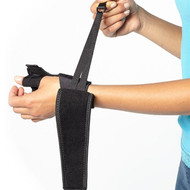
Thumb pain and instability are common in everyday life. Repetitive work tasks, frequent phone use, sports, and hands-on caregiving can all place ongoing stress on the thumb and wrist. Over time, that strain can make simple movements feel uncomfortable or less secure.
A thumb spica brace is one type of orthopedic brace that helps limit excessive thumb motion and provide added stability during daily activities. It is not a cure, but a tool that may help manage symptoms and protect irritated tissues while you continue normal use or recovery.
This article is designed to help you recognize signs and symptoms that may indicate a thumb spica brace could be appropriate, as well as situations where professional guidance from a clinician is important to ensure proper care and support.
What Is a Thumb Spica Brace?
A thumb spica brace is a type of thumb splint designed to support both your thumb and part of your wrist. If you’re dealing with pain from overuse injuries, sprains, tendinitis, or thumb arthritis, this style of brace is often recommended because it helps keep the thumb in a more stable, protected position while still allowing limited hand use.
Unlike simple supports, a thumb spica brace is built to address ligament injuries and other conditions that benefit from controlled movement and periods of rest. Many patients use one during daily activities to reduce strain without fully stopping what they need to do.
A thumb spica brace differs from other options in a few key ways:
- Soft thumb sleeves are typically lightweight and focus on comfort. They offer mild support but do not immobilize the thumb or wrist.
- Wrist-only braces support the wrist joint but leave the thumb free, which may not be ideal if your symptoms are based at the thumb joint or base of the thumb.
The general purpose of a thumb spica brace is to limit excessive thumb movement and provide external support when tissues are irritated or healing. This can be helpful for managing symptoms related to arthritis, overuse, or minor injuries, and in some cases after an operation, when advised by a clinician.
It’s important to know that thumb spica braces can differ. Designs vary in features, rigidity, and overall comfort. Some are more structured to better immobilize the thumb, while others are designed for lighter support. Depending on your condition and how you plan to use it, find the exact level of support you require. Ask for professional guidance when needed.
Before you shop, view, or order a product, it helps to understand what your thumb needs most—whether that’s stability at the base of the thumb, comfort during activities, or support for managing ongoing conditions like thumb arthritis.
Thumb Support Matters
Your thumb plays a bigger role than you might realize. It works differently from your other fingers, moving across the palm to help you grip, pinch, and control objects. This wide range of motion is useful, but it also makes the thumb more vulnerable to strain, especially at the base of the thumb and surrounding ligaments.
Thumb stability is essential for everyday tasks. Simple actions, like gripping a handle, pinching small objects, lifting items, or repeating the same hand movements throughout the day all rely on coordinated thumb support. When the thumb lacks stability, these movements can place extra stress on already irritated tissues.
Uncontrolled or excessive movement can aggravate areas affected by overuse, sprains, tendinitis, or arthritis. Without adequate support, the thumb may continue to move in ways that delay rest and recovery.
External thumb support is often used to help guide movement, reduce unnecessary strain, and allow irritated structures time to settle while you stay active within your comfort level.
Common Signs You May Need a Thumb Spica Brace
Thumb and wrist symptoms don’t always start suddenly. For many people, they build over time. Below are common signs that may indicate a thumb spica brace could be worth considering as part of your support plan.
Persistent thumb or wrist pain
If you notice pain that lingers despite rest or activity modification, it may be a sign that the thumb structures are not getting enough support. Ongoing discomfort can be associated with overuse, sprains, tendinitis, or arthritis.
Pain with pinching or gripping
Difficulty opening jars, holding tools, carrying bags, or even texting can point to reduced thumb stability. These movements place stress on the base of the thumb and surrounding ligaments, especially when they’re already irritated.
Swelling or tenderness at the base of the thumb
Swelling or localized tenderness near the thumb joint is a common complaint in overuse injuries and thumb arthritis. This area is heavily involved in everyday hand use and can become sensitive when stressed repeatedly.
Reduced range of motion or stiffness
Stiffness or limited movement may develop when the thumb is inflamed. You may notice it most in the morning or after long periods of activity.
Feeling of instability or weakness
Some people describe the thumb as feeling unsupported or like it might “give way” during use. This sensation can occur with ligament injuries or general weakness around the joint.
Symptoms worsened by repetitive use
If pain or discomfort increases during work tasks, sports, or caregiving activities, repetitive motion may be contributing to the problem. Continued use without adequate support can make symptoms harder to manage.
It’s important to remember that symptoms vary from person to person. A thumb spica brace is not a one-size-fits-all solution and is often most effective when used as part of a broader management plan that may include rest, activity modification, and guidance from a healthcare professional.
Conditions Commonly Associated with Thumb Spica Brace Use
A thumb spica brace is often used to support a range of thumb and wrist conditions, especially when stability and controlled movement are important. The examples below are provided for general educational purposes only and are not intended to diagnose or replace professional medical care.
Thumb sprains or strains
Sprains and strains can occur when the thumb is stretched or stressed beyond its normal range, which can happen through a fall, sports activity, or sudden force. A thumb spica brace may be used to help limit movement and provide external support while the tissues recover.
De Quervain’s Tenosynovitis
This condition involves irritation of the tendons along the thumb side of the wrist and is commonly linked to repetitive hand use. Support that limits thumb motion may help reduce ongoing strain during daily activities when combined with rest and activity modification.
Thumb or wrist overuse injuries
Repetitive movements at work, during sports, or through caregiving can place ongoing stress on the thumb and wrist. In cases of overuse, a thumb spica brace may be used to help manage symptoms by supporting the joint and reducing excessive motion.
Arthritis at the base of the thumb (CMC Joint)
Thumb arthritis commonly affects the joint at the base of the thumb and can lead to pain, stiffness, and reduced grip strength. Some people use a thumb spica brace to provide added stability and comfort during tasks that would otherwise be difficult.
Post-injury or Post-Procedure Support
After certain injuries or medical procedures, a clinician may recommend a thumb spica brace to support the thumb during healing. The level of support and length of use should always follow professional guidance.
Only a qualified healthcare professional can properly diagnose thumb or wrist conditions and recommend the most appropriate treatment plan. If symptoms worsen or interfere with daily function, seek clinical evaluation.
How a Thumb Spica Brace Fits Into Recovery and Daily Management
A thumb spica brace is best viewed as a support tool. It’s to manage symptoms, protect irritated tissues, and provide stability during specific activities or stages of recovery. Long-term outcomes often depend on addressing the underlying cause of discomfort, not just wearing a brace.
In many cases, a thumb spica brace is used alongside other strategies, such as:
- Activity modification to reduce repeated stress on the thumb and wrist
- Progressive loading, where strength and use are gradually reintroduced as symptoms allow
- Mobility or strengthening exercises to support long-term joint function
- Clinician guidance to ensure the approach matches your specific condition and needs
Fit and use matter just as much as the brace itself. A brace that is too tight or worn incorrectly can create new problems rather than support recovery. It’s important to focus on:
- Proper fit and sizing to ensure stable support without excessive pressure
- Wearing the brace only as directed, whether during certain activities or for limited periods
- Monitoring skin comfort and circulation, and stopping use if you notice numbness, tingling, or increased pain
Used thoughtfully, a thumb spica brace can be a helpful part of daily management while you work toward better comfort, strength, and function with the right guidance in place.
A Closer Look at a Thumb Spica Support Option from BioSkin
For those who have determined that a thumb spica brace may be appropriate, BioSkin offers a thumb splint designed to support the thumb while maintaining everyday comfort and usability. This style of support is intended to help limit excessive thumb movement while allowing functional hand use during daily activities.
BioSkin Thumb Spica supports are designed with attention to fit, materials, and wearability. Features may include breathable construction and adjustable elements to help accommodate different hand shapes and activity demands. As with any brace, proper sizing and correct use are essential for comfort and effective support.
Before choosing a product, it’s important to review sizing guidelines carefully and consider how and when you plan to use the brace. If you’re unsure which level of support is appropriate, consulting a qualified healthcare professional can help ensure the option you choose aligns with your condition and overall care plan.
Frequently Asked Questions
How long should you wear a thumb spica brace?
Wear time depends on your symptoms, activity level, and clinical guidance. Some people use a thumb spica brace only during activities that aggravate symptoms, while others may wear it for longer periods. It should not cause numbness, tingling, or increased pain.
Are thumb splints the same as thumb spica braces?
Thumb splints is a broad term that can include several types of supports. A thumb spica brace is a specific type of thumb splint designed to support the thumb and limit certain movements, often including part of the wrist for added stability.
Can you sleep in a thumb spica brace?
In some cases, a clinician may recommend wearing a thumb spica brace at night, especially if symptoms are aggravated during sleep. Night use should be based on comfort and professional advice, and the brace should not feel overly restrictive.
When should you see a clinician instead of relying on a brace?
If pain persists, worsens, or is accompanied by swelling, numbness, or loss of strength, it’s important to seek evaluation from a qualified healthcare professional. A brace can provide support, but it does not replace proper diagnosis or treatment.